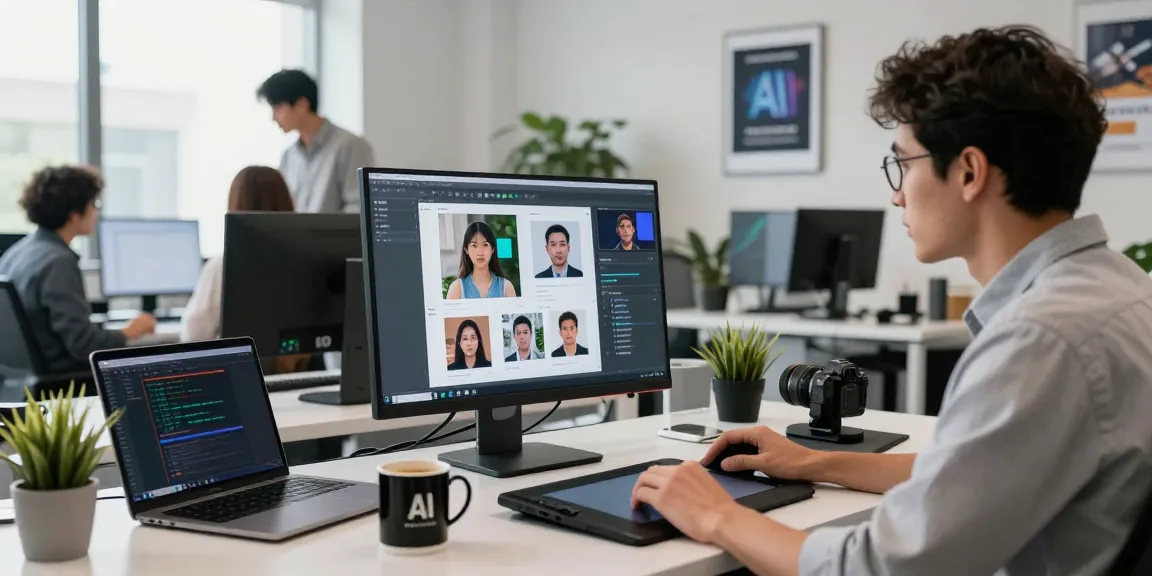
Understanding AI Image Detectors
As advancements in artificial intelligence (AI) continue to evolve rapidly, the need for tools that can detect AI-generated content has never been more critical. AI image detectors have emerged as essential technologies for various industries, especially in journalism, content creation, and security. These tools analyze images to differentiate between those created by AI systems and those captured by human photographers or artists. The reliability and functionality of these detectors are vital in a world where synthetic media can easily mislead the public and distort reality. When exploring options, AI Image Detector provides comprehensive insights into this developing field.
What is an AI Image Detector?
An AI image detector is a specialized tool designed to identify whether an image has been generated or altered by artificial intelligence. These detectors utilize various algorithms and machine learning models to analyze the characteristics of an image, including pixel anomalies, inconsistencies, and patterns typically associated with AI-generated visuals. In practical terms, this means that an AI image detector can flag images produced by popular AI models such as DALL·E, MidJourney, and Stable Diffusion, providing users with a level of assurance regarding the authenticity of the visuals they encounter.
How AI Image Detectors Work
AI image detectors operate on sophisticated algorithms that have been trained on large datasets containing both AI-generated and authentic images. The process generally involves several key steps:
- Image Analysis: The detector examines the image pixels for irregular patterns that may indicate AI generation.
- Feature Extraction: The system identifies and extracts various features from the image, such as texture, colors, and edges.
- Machine Learning Models: Detectors use trained machine learning models to classify the image as either AI-generated or human-created based on the extracted features.
- Confidence Scoring: Finally, the detector provides a confidence score indicating the likelihood that the image is AI-generated.
Types of AI Image Detectors Available
There is a variety of AI image detectors available, each catering to different needs and functionalities. Key types include:
- Free Online Tools: Many platforms offer free AI image detection services, making them accessible to the general public. They typically provide quick analyses with varying degrees of accuracy.
- Professional Tools: These detectors are often used by journalists and security professionals and require a subscription or payment for advanced features. They provide a higher accuracy rate and comprehensive analysis.
- API Integrations: Many image detection services offer API access for businesses looking to integrate detection capabilities into their existing workflows, enhancing their content verification processes.
Challenges in Detecting AI-Generated Images
Despite the advancements in technology, several challenges remain in the detection of AI-generated images. These challenges affect the reliability of the results provided by AI image detectors.
Common Misconceptions About AI Image Detection
One of the prevalent misconceptions is that AI image detectors can guarantee absolute accuracy. While they are robust tools, they are not infallible, and the technology still faces issues regarding false positives and negatives. This misunderstanding can lead users to place undue trust in the results provided, potentially ignoring signs that are crucial for contextual interpretation.
Limitations of Current Detection Technology
Current detection technologies are constrained by a number of factors:
- Lack of Training Data: The effectiveness of an AI detector heavily relies on the quality and diversity of the training datasets. If these datasets do not include a wide variety of AI-generated images, the detector may not perform well.
- Evolving AI Techniques: As AI generation techniques become more sophisticated, it becomes increasingly challenging for detection tools to keep pace. New models may produce images that are almost indistinguishable from real photographs.
- Contextual Understanding: Many detectors lack the ability to understand context, which is crucial when determining whether an image is genuine or altered. This limitation can lead to ambiguous results, especially in nuanced situations.
User Intent and AI Image Detection Challenges
Another challenge arises from the intent behind the use of AI-generated images. Some users may utilize these images for creative or artistic purposes, while others may aim to deceive. Understanding the intent behind images is essential for accurately interpreting the results from AI image detectors. This complexity adds another layer of difficulty for developers striving to create effective detection tools.
Best Practices for Implementing AI Image Detectors
In order to effectively utilize AI image detectors, organizations and individuals must adopt best practices that enhance their functionality and reliability.
Choosing the Right AI Image Detector for Your Needs
When selecting an AI image detector, consider the intended use. For casual use, free online detectors may suffice. However, for businesses, it’s crucial to opt for professional-grade tools that provide detailed analysis and higher accuracy. Conducting thorough research on user reviews and case studies can help in making an informed decision.
Integrating AI Image Detectors into Your Workflow
Incorporating AI image detection into existing workflows can enhance content integrity and security. Businesses should leverage API integrations that allow seamless interaction between detection tools and their content management systems, enabling real-time analysis and verification.
Ensuring Accuracy and Reliability in Results
To maintain high levels of accuracy, it's important to continually update the detection algorithms and training datasets. Implement machine learning solutions that adapt to new AI generation techniques over time. Furthermore, encourage user feedback to refine the performance of the detection tools.
Real-World Applications of AI Image Detectors
AI image detectors are finding their stride in various sectors, showcasing their versatility and importance across numerous applications.
Use Cases in Journalism and Content Creation
In journalism, the integrity of information is paramount. AI image detectors help journalists verify the authenticity of images before publication, ensuring that their stories are based on credible sources. Content creators also benefit from these tools by ensuring that their work is not inappropriately manipulated or presented as authentic when it is not.
AI Image Detectors in Social Media Monitoring
Social media platforms are rife with artificial imagery intended to stir controversy or misinformation. AI image detectors can help moderators identify and remove fake content swiftly, thus maintaining community standards and trust amongst users.
Applications in Security and Forensics
In security and forensics, AI image detection plays a critical role in identifying altered images used in fraud or deception. Law enforcement agencies utilize these tools to analyze evidence, ensuring that only genuine images are considered in investigations.
The Future of AI Image Detectors
As technology continues to advance, the future of AI image detectors appears promising, with several emerging trends and technologies on the horizon.
Trends to Watch in 2026 and Beyond
By 2026, we can expect AI image detectors to incorporate more sophisticated machine learning algorithms, resulting in improved accuracy and faster processing times. Trends such as the integration of blockchain technology for image verification could also gain traction, providing an additional layer of authenticity assurance.
Emerging Technologies in AI Image Detection
Developers are also exploring the use of neural networks and deep learning techniques, which can enhance detection capabilities by mimicking the human brain's pattern recognition systems. This can lead to more nuanced understanding and identification of AI-generated images.
Predictions for Industry Growth and Development
The market for AI image detection is projected to grow significantly, driven by increased demand for media integrity and the escalating prevalence of misinformation. As businesses recognize the importance of maintaining authenticity, investment in detection technologies is likely to rise.
What Lies Ahead for AI Image Detection?
The future of AI image detection is set to be defined by continuous innovation and adaptation. With advancements in AI generation techniques, the development of more sophisticated detection tools will be crucial. Ultimately, the success of AI image detectors will hinge on their ability to keep pace with evolving technology and the changing landscape of media consumption.