Understanding Facial Age Estimation
In a world where digital innovations reshape our daily experiences, age estimation technology has emerged as a fascinating intersection of artificial intelligence and human perception. These tools offer users a unique glimpse into how they might be perceived in terms of age based on their facial features. By understanding the mechanisms behind these estimations, we can appreciate both the science and the technology that drives them, as well as the implications they hold for users eager to discover how old do i look.
What is Age Estimation Technology?
Age estimation technology involves algorithms that analyze facial characteristics to estimate a person's age. This technology can leverage machine learning models trained on vast datasets of human faces, focusing on various features such as skin texture, wrinkles, and facial symmetry. Utilizing deep learning techniques, these systems can discern subtle patterns in images that correlate with aging, providing an estimate that often surprises users with its accuracy.
The Science Behind Facial Recognition
Facial recognition technology is rooted in computer vision and pattern recognition. Machine learning models examine key facial landmarks, such as the eyes, nose, and mouth, comparing them against a database for age associations. The data used to train these models often comprises millions of images labeled with age information. This enables the algorithms to learn the nuances of aging, which differ significantly between individuals based on various genetic and environmental factors.
How Accurate Are Online Age Guesser Tools?
The accuracy of online age guesser tools varies significantly and can depend on numerous factors, including the quality of the input image and the particular algorithm used. While many tools claim high accuracy rates, it's essential to approach these results with skepticism. Various studies indicate that while these tools can perform reasonably well in controlled environments, factors such as lighting, makeup, and facial expressions can lead to discrepancies in the estimated age.
How Old Do I Look? A Deep Dive
As users explore the realm of age estimation, they often find themselves comparing results across different platforms. By understanding the distinctions between the various tools available, users can make informed choices about which applications to trust.
Popular Online Age Estimators Compared
Several tools are currently popular for estimating facial age, each with its own set of features:
- FaceAge.ai: This tool allows users to upload a photo for a precise AI-powered age estimation, emphasizing security and privacy.
- Fotor: A user-friendly interface enables direct photo uploads, analyzing skin quality to deliver an age estimate without requiring any sign-up.
- BeautyPlus: This application provides a fast and intuitive way for users to discover their perceived age with instant results.
User Experiences with Various Apps
User experiences can greatly influence the popularity of age estimation tools. Many users report feeling a mix of curiosity and skepticism about the results. Feedback often covers the accuracy of age predictions, ease of use, and the emotional reactions triggered by the results. While some users enjoy sharing their findings on social media, others prefer more private explorations of their age perceptions.
Analyzing Results: What Do They Mean?
Results from age estimation tools can provide insights into how individuals perceive themselves versus how the technology interprets their features. Often, discrepancies arise, leading to discussions about societal standards of beauty and aging. It's crucial for users to remember that these estimates are not definitive and should be taken lightly, considering the subjective nature of age perception.
Factors Influencing Perceived Age
The factors that contribute to one’s perceived age extend beyond mere facial features captured by technology. A deeper understanding of these influences reveals the complexities of aging and self-perception.
The Role of Genetics and Environment
Genetics play a significant role in how individuals age, with hereditary traits affecting skin elasticity, wrinkle formation, and other age-related characteristics. Environmental factors, including sun exposure, pollution, and climate, also impact skin health, further influencing perceived age.
Lifestyle Choices and Their Impact on Aging
Lifestyle choices significantly contribute to how old one appears. Habits such as smoking, diet, exercise, and sleep can all affect skin health and overall vitality. For instance, adequate hydration and a balanced diet rich in antioxidants can enhance skin appearance, while a lack of sleep can lead to premature aging signs.
Cosmetic Interventions: Are They Effective?
Cosmetic interventions, from skincare products to surgical procedures, aim to reduce the visible signs of aging. While many individuals find success with these treatments, results can vary widely based on individual factors and the nature of the procedures undertaken. It's essential to weigh the benefits against the risks and to consult with professionals before pursuing significant changes.
Engagement Strategies for Users
To maximize the benefits of age estimation tools, users should adopt engagement strategies that enhance their experience and understanding of the results.
How to Use Age Estimation Tools Effectively
Using these tools can be a fun and insightful experience when approached correctly. Users should ensure they take clear, high-quality photos with good lighting to receive the most accurate results. Moreover, experimenting with different age estimation tools can provide users with a broader perspective on how age is interpreted across technologies.
Sharing Your Results: Dos and Don'ts
When sharing age estimation results, users should consider privacy settings and the potential implications of exposing personal images online. It's advisable to share results in a light-hearted manner while being mindful of the emotional reactions they may provoke in oneself and others.
Getting Feedback: Engaging Your Social Circles
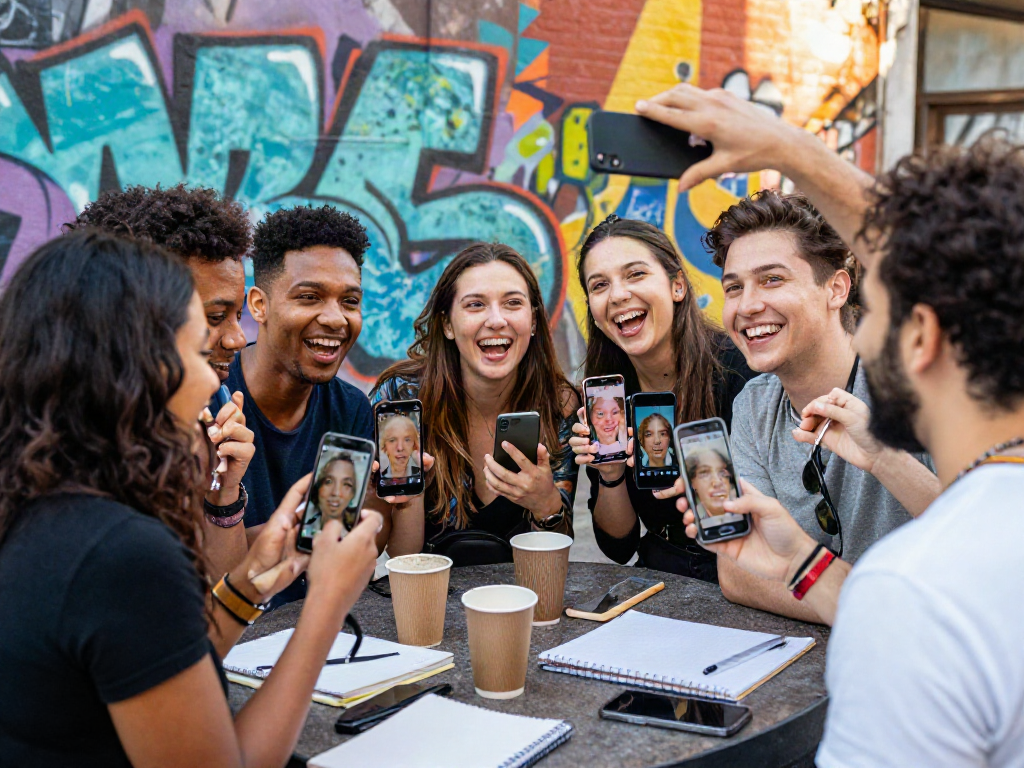
Seeking feedback from friends and family about their experiences with age estimation tools can lead to insightful discussions. Engaging social circles can enhance the fun and provide diverse perspectives on perceptions of age.
The Future of Age Estimation Apps
As technology progresses, the realm of age estimation is poised for significant advancements that will reshape user experiences and tool efficacy.
Emerging Trends in AI and Aging Research
Innovations in artificial intelligence are continuously improving the accuracy and functionality of age estimation tools. Emerging trends suggest integration with augmented reality (AR) and enhanced data analytics, offering users richer interactions and more personalized insights into their aging process.
What to Expect in 2026 and Beyond
By 2026, we can anticipate a surge in sophisticated apps that incorporate user feedback, advanced imaging technologies, and deeper datasets. Enhanced personalization capabilities will likely allow tools to adapt to individual users' characteristics over time, improving overall accuracy.
Privacy Concerns: Safeguarding Your Data
As with any technology involving personal data, privacy remains a paramount concern. Developers and users alike must prioritize data protection, ensuring that images are securely processed and that user information is handled responsibly. Users should always review privacy policies and understand how their data is used by these tools.
What is the best app to find out how old do I look?
The best app varies by user preference and intended use, but popular choices include FaceAge.ai and Fotor, each offering unique features and user experiences.
How do these age estimation tools work?
These tools typically utilize machine learning algorithms that analyze facial features against large datasets, estimating age based on common aging patterns observed in the dataset.
Are online age guessers accurate?
While many online age guessers can provide estimates that are surprisingly close to actual ages, accuracy can fluctuate depending on the quality of the input image and the specific algorithms used.
What factors can affect my perceived age?
Genetics, lifestyle choices, environmental influences, and cosmetic interventions can all significantly impact how old an individual appears to others.
How can I improve my skin's appearance?
Adopting a skincare routine that includes hydration, sun protection, antioxidants, and regular professional treatments can help improve the appearance of the skin, positively affecting perceived age.