Understanding the Basics of Interior Design
In today's rapidly evolving world, interior design has emerged as a vital component of creating functional and aesthetically pleasing spaces. As individuals seek to express their personal style while maximizing functionality, the realm of interior design continuously adapts to new trends and technologies. From modern homes to cozy apartments, understanding the principles of interior design can help elevate any space, making it not only beautiful but also comfortable and practical.
What is Interior Design?
Interior design is the art and science of enhancing the interior of a space to achieve a healthier and more aesthetically pleasing environment for the people using the space. This involves a range of elements, including color, furniture selection, layout planning, and the integration of functionality into the overall design. The goal of an interior designer is to create spaces that reflect the clients' tastes and needs while improving the usability and comfort of the environment.
The Importance of Professional Design
Hiring a professional interior designer can significantly impact the outcome of a project. Expert designers bring a wealth of knowledge regarding design principles, trends, and the psychological effects of colors and materials. When exploring options, รับตกแต่งภายใน provides comprehensive insights into making informed decisions that can enhance both the beauty and functionality of your space. A professional can help optimize layouts, select the right materials, and create an integrated design that flows seamlessly from one area to another.
Key Trends in Interior Design for 2026
- Sustainable Materials: As environmental consciousness grows, the demand for eco-friendly materials is on the rise. Designers are increasingly using sustainable materials that are not only durable but also minimize ecological impact.
- Smart Homes: The integration of technology into home design is becoming more prevalent. From smart lighting to automated home systems, modern interior design increasingly incorporates technology to enhance user experience.
- Biophilic Design: Incorporating natural elements into interior spaces is a growing trend. This includes the use of plants, natural light, and organic materials to create a calming environment that connects inhabitants with nature.
Choosing the Right Style for Your Space
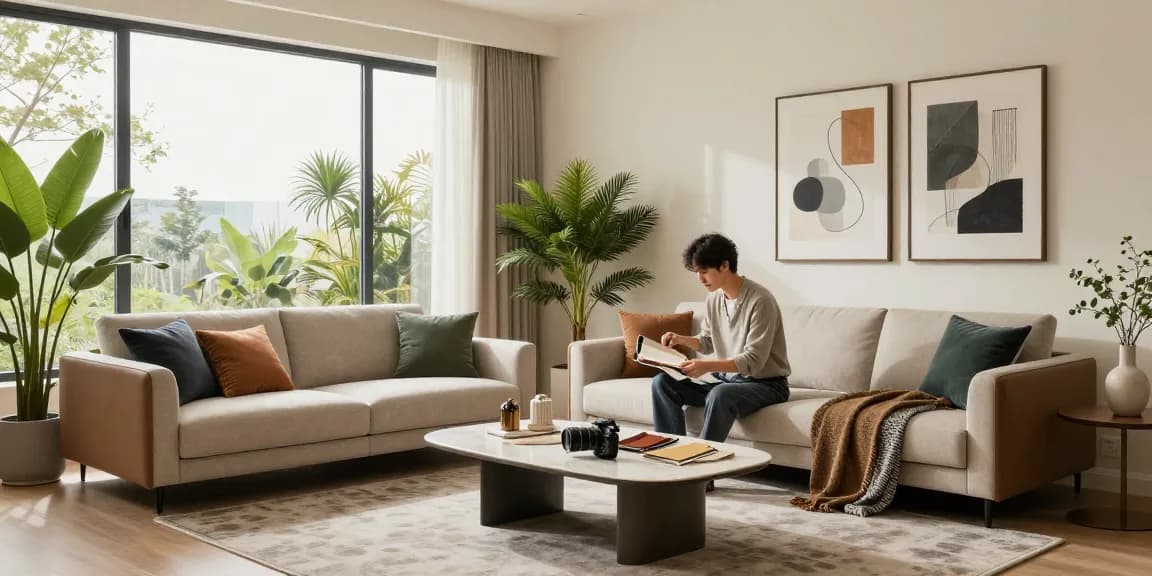
Different styles can significantly alter the look and feel of a space. It is essential to choose a style that aligns with your preferences and functional needs. Popular modern interior styles include minimalist, contemporary, industrial, and Scandinavian designs, each offering a unique aesthetic and atmosphere.
Popular Modern Interior Styles
Understanding various interior styles can help you determine the right look for your space:
- Minimalist: Focused on simplicity, this style emphasizes clean lines and functional furnishings. Color palettes are typically neutral, contributing to a serene atmosphere.
- Scandinavian: Known for its warmth and simplicity, Scandinavian design often incorporates natural materials, light colors, and multifunctional furniture.
- Industrial: This style features raw materials, such as exposed brick and metal fixtures, creating a modern yet rugged feel. It often embraces an open floor plan.
- Contemporary: Constantly evolving, contemporary design reflects current trends and innovations. It often integrates bold colors, innovative shapes, and sustainable practices into the design process.
How to Identify Your Design Preference
Identifying your design preferences can start with understanding your lifestyle and needs. Consider how you use the space and what emotions you want to evoke. Create mood boards using images that resonate with you to visualize your ideal space. Analyzing your lifestyle can also help; for example, a family with children may require more durable furnishings than a single professional.
Combining Styles for Unique Spaces
Mixing different design styles can create a unique and personalized space. However, achieving harmony in an eclectic design requires a cohesive color palette and careful selection of materials. For instance, blending industrial with Scandinavian elements can yield a warm and inviting environment while retaining an edge of modern sophistication.
Materials and Finishes in Modern Home Design
The materials you choose for a space can greatly influence its overall aesthetic and functionality. Selecting the right finishes is critical to achieving a cohesive design that reflects your style while maintaining quality and durability.
Essential Materials for Contemporary Interiors
- Wood: Often used for flooring, cabinetry, and furniture, wood adds warmth and texture to a space.
- Metal: This can be incorporated through fixtures, furniture, or as accents to introduce sleek lines and a modern touch.
- Glass: Utilized in windows, doors, and decorative elements, glass enhances light flow and creates an airy feel.
- Textiles: The choice of fabrics for upholstery, curtains, and cushions can dramatically alter the comfort level of a space. Natural fibers are increasingly in demand for their sustainability.
Eco-Friendly Choices for Sustainable Design
As sustainability becomes more crucial in design, many homeowners look for eco-friendly materials that reduce their environmental footprint. Look for options such as bamboo flooring, recycled glass countertops, and low-VOC paints to enhance your space without compromising quality or aesthetics.
Choosing Textures that Work Together
Mixing textures can create visual interest in a room. Combining soft textiles with hard surfaces can establish a balanced aesthetic that is appealing and inviting. For instance, pairing a plush velvet sofa with a sleek metal coffee table can achieve an excellent contrast that elevates the overall design.
Maximizing Functionality in Interior Layouts
Functionality is a cornerstone of successful interior design. Enhancing the usability of a space can transform it from merely a place to live into a functional, enjoyable environment.
Space Planning Basics
Effective space planning involves understanding how different areas will be used and ensuring that the layout caters to those needs. Consider flow and accessibility when arranging furniture and ensuring there is adequate space for movement.
Innovative Storage Solutions
Smart storage solutions are key to maintaining a clutter-free environment, particularly in smaller spaces. Utilizing under-bed storage, multi-functional furniture, and vertical shelving can help maximize available space while keeping it organized.
Creating Flow and Movement in Spaces
Establishing a natural flow in a space can make it more inviting and functional. Consider how people will move through an area and arrange furniture to facilitate movement while defining different zones within the space.
Working with Professional Interior Designers
Collaborating with a professional designer can bring a wealth of expertise to your project, ensuring that every detail is considered and executed to perfection. Understanding the process can help you establish a productive working relationship.
Benefits of Hiring Experts for Your Project
Interior designers possess extensive knowledge of design trends, materials, and spatial dynamics. Their guidance can help you avoid costly mistakes and create a cohesive, stylish space that meets your needs.
Key Questions to Ask Your Designer
When interviewing potential designers, inquire about their experience, design philosophy, and the processes they use for project management. Understanding their approach will help you gauge whether they align with your vision.
Understanding Costs and Budgeting for Design
Establishing a budget is essential for any design project. Discussing your budget openly with your designer will allow them to provide options that meet your financial constraints while still achieving your design goals.
What are the latest trends in interior design?
The trends in interior design continue to shift, with a growing emphasis on sustainability, biophilic design, and smart technology integration. Staying updated with these trends can help you to create spaces that are not only beautiful but also functional and relevant.
How can I choose the right style for my home?
Choosing the right style involves considering your personal preferences, the functionality of the space, and how you want the space to feel. Create a mood board and gather inspiration from various sources to help clarify your vision.
What materials should I consider for modern design?
Focus on materials that combine durability with aesthetic appeal, such as natural woods, metals, and eco-friendly finishes. Always consider the maintenance and longevity of materials to ensure your space remains beautiful over time.
How do I maximize space in a small home?
Creating the illusion of more space can often be achieved through smart furniture selection, color choice, and strategic layout planning. For more information, รับตกแต่งภายใน offers valuable insights. Utilizing vertical space with shelves and choosing multifunctional furniture can significantly enhance usability in smaller spaces.