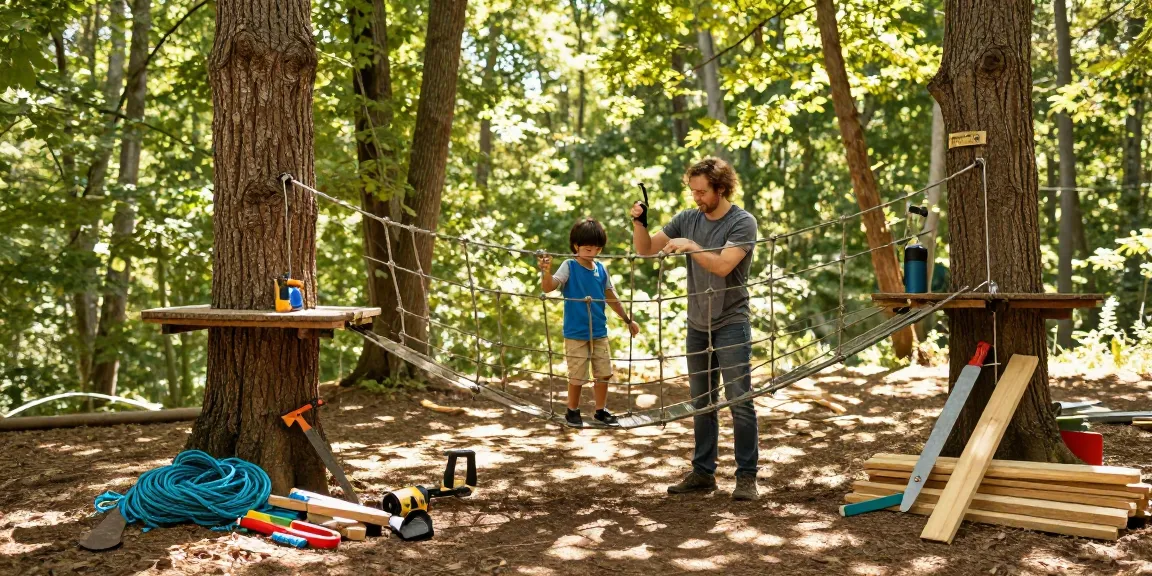
Understanding the Basics of Rope Bridge Design
Rope bridges have long captivated the imagination due to their unique mix of functionality and aesthetics. They serve practical purposes, allowing traversable paths across gaps, rivers, or steep terrains, and evoke a sense of adventure and exploration. A well-designed rope bridge offers not only structural integrity but also enhances the surrounding landscape. When exploring options, Rope Bridge design provides comprehensive insights into creating these fascinating structures.
What is a Rope Bridge?
A rope bridge is a type of bridge suspended by ropes or cables that provide a lightweight yet sturdy platform for crossing various obstacles. They can vary from simple, DIY structures for backyard fun to complex designs that can support significant loads over longer spans. The flexibility of rope bridges allows them to adapt to a variety of environments, making them suitable for both rural and urban settings.
Materials Needed for Rope Bridge Construction
Constructing a rope bridge requires careful selection of materials to ensure safety and durability. Here are some key materials you’ll need:
- Ropes: High-strength synthetic ropes are preferred for their resistance to wear and environmental factors.
- Support Posts: Treated timber or metal posts that can withstand tension.
- Cables: Steel cables for added support, especially for larger spans.
- Decking Material: Non-slip planks or mesh for the walking surface.
- Fasteners: Galvanized bolts, screws, and brackets to secure components together.
Safety Tips for Building Rope Bridges
Safety should be the primary consideration when designing and constructing a rope bridge. Here are some essential safety tips:
- Conduct a thorough site assessment to identify potential hazards.
- Ensure all materials are rated for the expected load and environmental conditions.
- Use safety gear during construction, such as harnesses and helmets.
- Regularly inspect the bridge for wear and damage, especially after adverse weather.
Types of Rope Bridges: Choosing the Right Design
When designing a rope bridge, understanding the different types available is crucial. Each design has its unique characteristics, advantages, and application scenarios.
Suspended Rope Bridges: Features and Benefits
Suspended rope bridges are characterised by their cables, which support the bridge deck from above. This type of bridge can span significant distances and is renowned for its ability to withstand dynamic loads. Some benefits include:
- Flexibility: Ideal for uneven terrains.
- Aesthetic Appeal: Their slender design can blend seamlessly with natural landscapes.
- Access: They can provide access to remote areas without disturbing the ecosystem.
Fixed-Beam Rope Bridges: Design Insights
Unlike suspended designs, fixed-beam rope bridges rely on rigid beams supported by cables, creating a stable platform. These are often used in situations where dynamic tension is less of a concern, such as in low-traffic areas. Key insights include:
- Load Distribution: The design allows for even weight distribution across the bridge.
- Maintenance: Easier to maintain due to fewer moving parts.
- Cost-Effective: Often cheaper to construct than more complex suspension designs.
Log Rope Bridges: Practical Applications
Log rope bridges are a simpler and more rustic option, typically using logs as the main structural elements. They are an excellent choice for natural settings such as parks and gardens, offering a charming aesthetic. Some practical applications include:
- Recreational Use: Ideal for children's playgrounds or adventure parks.
- Natural Integration: Blends with the surrounding landscape, enhancing visual appeal.
- Cost Efficiency: Generally requires fewer resources and less technical expertise.
Step-by-Step Guide to Building Your Own Rope Bridge
Building a rope bridge can be a rewarding project, provided you follow a structured approach. Here’s a step-by-step guide to help you through the process.
Planning Your Rope Bridge Layout
The initial phase is crucial for the success of your bridge project. Consider the following:
- Location: Choose a suitable site that takes into account the span and height.
- Design: Sketch a detailed plan of your bridge design, including dimensions and materials.
- Permits: Check local regulations to ensure compliance with building codes.
Construction Techniques for Durability
When constructing your rope bridge, using the right techniques will enhance durability:
- Secure Anchor Points: Ensure anchor points are deeply embedded and stable.
- Use of Quality Fasteners: Opt for high-grade fasteners to prevent rust and corrosion.
- Test Loads: Before use, test the bridge with incremental loads to ensure stability.
Maintenance Tips for Longevity
To prolong the lifespan of your rope bridge, regular maintenance is essential:
- Inspection: Conduct inspections at least twice a year and after severe weather.
- Cleaning: Remove debris and vegetation that could compromise structure.
- Repairs: Promptly address any signs of wear or damage to prevent accidents.
Common Challenges in Rope Bridge Construction
Understanding potential challenges will help you prepare for unforeseen issues during the construction of your rope bridge.
Tackling Structural Integrity Issues
Structural integrity is paramount for safety. Here’s how to ensure your bridge can withstand forces:
- Load Testing: Perform load tests to determine the maximum capacity before use.
- Material Quality: Always use high-quality materials that meet the necessary standards.
- Professional Consultation: Consider hiring a structural engineer for large-scale projects.
Weather and Environmental Considerations
The surrounding environment can significantly impact your bridge:
- Water Flow: Assess potential flooding areas to avoid structural damage.
- Wind Loads: Ensure your design can withstand high winds, especially in exposed areas.
- Wildlife: Consider local fauna that may disturb your bridge.
Addressing Safety Concerns Before Use
Prior to allowing use of your bridge, it’s crucial to address any safety issues:
- Weight Limits: Clearly mark weight limits to prevent overloading.
- Guardrails: Install guardrails for additional safety, especially for high bridges.
- Emergency Protocols: Establish clear protocols for emergencies and educate users.
Future Trends in Rope Bridge Design (2026 and Beyond)
The future of rope bridge design is evolving, driven by innovation and sustainability. Here are some trends to watch for:
Innovative Materials and Building Techniques
The introduction of new materials such as composite ropes and environmentally friendly alternatives will enhance durability and reduce environmental impact:
- Smart Materials: Incorporating sensors to monitor structural integrity in real-time.
- Recycled Materials: Using sustainable materials in construction to minimise carbon footprints.
Integrating Eco-Friendly Practices
With increasing awareness of environmental issues, rope bridges are likely to see more eco-friendly designs:
- Minimalism: Designs that require fewer materials while maintaining strength.
- Wildlife Corridors: Creating bridges that serve as pathways for wildlife.
The Rise of High-Tech Rope Bridges
High-tech innovations will transform traditional rope bridge designs:
- Smart Navigation Systems: Integrating GPS for dynamic load monitoring.
- Augmented Reality: Utilizing AR for planning and maintenance assessments.
What is the best way to build a rope bridge?
The best way to build a rope bridge combines proper planning, quality materials, and adherence to safety protocols. Engage with experts for design insights and follow best practices throughout the construction process.
What types of rope bridges are commonly used?
Common types of rope bridges include suspended bridges, fixed-beam bridges, and log rope bridges, each tailored to specific needs and environments.
How much can a rope bridge cost?
Costs for rope bridges can vary widely based on materials, size, and design complexity but generally range from a few hundred to several thousand pounds.
What materials are required for a simple rope bridge?
For a simple rope bridge, you will need high-quality ropes, sturdy support posts, decking material, and appropriate fasteners and anchors.
Can I use a rope bridge for outdoor events?
Yes, a well-constructed rope bridge can provide a unique and adventurous atmosphere for outdoor events, provided safety and structural integrity are prioritised.