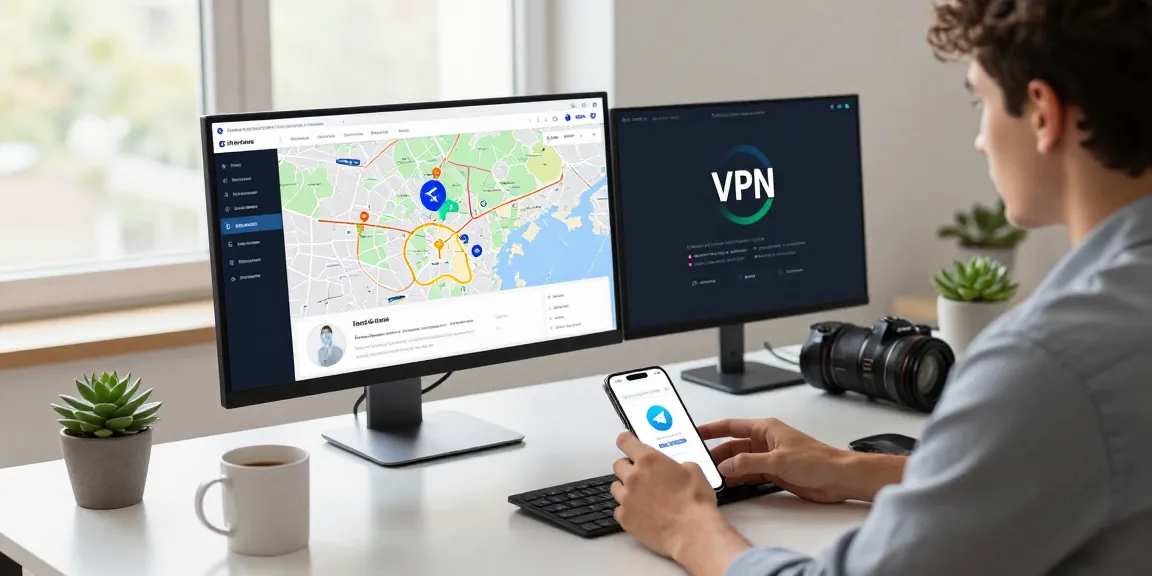
Understanding the Censorship of Telegram in China
The censorship of messaging apps in China, particularly Telegram, has been a pertinent issue for many users since the app was blocked in 2015. The Great Firewall of China, which serves as the country's internet censorship tool, permeates digital interactions and significantly affects user access to online communications. Understanding the historical and current implications of Telegram's restriction in China is crucial for anyone looking to navigate this landscape. When exploring options, telegram blocked china provides comprehensive insights into the challenges and solutions for users trying to access the platform.
What Led to the Blocking of Telegram?
Telegram was established as a platform that emphasizes security and privacy, making it particularly attractive to users in regions with heavy censorship. However, in July 2015, the Chinese government blocked Telegram, following a series of high-profile incidents, including a distributed denial-of-service (DDoS) attack that some believe to have originated from state-sponsored efforts. This attack targeted Telegram's infrastructure, prompting Chinese authorities to impose restrictions on the app as part of a broader initiative to control information flow and prevent dissent.
Impact of China's Great Firewall
The Great Firewall serves as the backbone of China's internet censorship, utilizing both IP blocking and keyword filtering to restrict access to foreign applications. Telegram, known for its encrypted messaging capabilities, fell victim to this extensive surveillance system. The implications are significant, as users seeking to communicate freely face challenges that can result in limited contact with the outside world, impeding both personal and professional interactions.
Current Status of Telegram Access in 2026
As of 2026, Telegram remains blocked in China, with no indications that the ban will be lifted in the near future. Despite this, the platform has garnered global loyalty, raising questions about alternative methods for accessing it. Users continue to explore various methods of bypassing these restrictions, with VPNs being the most popular solution among tech-savvy individuals. However, the effectiveness of these measures varies, and users often need to stay updated on best practices to ensure uninterrupted access.
How to Access Telegram Despite Restrictions
Using VPNs to Bypass Censorship
Virtual Private Networks (VPNs) have emerged as the primary tool for circumventing the Great Firewall and re-establishing access to blocked apps like Telegram. VPNs work by creating a secure tunnel between the user's device and a server located outside of China, allowing for encrypted data transfer. However, not all VPNs are equally effective, and users must choose wisely based on factors such as speed, reliability, and the ability to bypass geographical restrictions.
Alternative Methods for Accessing Telegram
In addition to VPNs, several alternative methods exist for accessing Telegram in China, including:
- Proxy Servers: Some users opt for proxy setups that route traffic through specific servers that are not blocked by the Chinese government.
- Tor Network: Utilizing Tor can anonymize user traffic, providing another layer of security and potentially allowing access to Telegram.
- SSH Tunneling: This method allows users to create a secure connection to a remote server, enabling access to Telegram without direct interference from the Great Firewall.
Choosing the Right VPN for China
Not all VPNs offer the same level of service in China. When selecting a VPN for accessing Telegram, consider the following factors:
- Server Locations: A wider range of server options typically translates to better performance and reliability.
- Encryption Standards: Look for VPNs that offer strong encryption protocols to safeguard your data.
- No Logging Policy: Choose a provider that doesn’t track user activity to enhance privacy.
Understanding the Risks of Using Telegram in China
Legal Implications of VPN Use
While using a VPN is a common workaround for accessing Telegram, it is important to understand the legal landscape surrounding this activity. Chinese law strictly regulates the use of VPNs, and unauthorized use can lead to penalties. Users should be aware of the legal ramifications and potential risks involved, particularly if they engage in activities that could attract government scrutiny.
Privacy Concerns When Accessing Telegram
Even when using a VPN, privacy concerns exist. While the VPN encrypts your connection, issues may arise if the VPN provider keeps logs or is subpoenaed by the government. Users should select reputable VPN services known for their commitment to user privacy and data security.
Safety Tips for Telegram Users in China
To enhance safety while using Telegram in China, consider these best practices:
- Use Two-Factor Authentication: Adding an extra layer of security can prevent unauthorized access to your account.
- Be Cautious About Information Shared: Avoid discussing sensitive topics that may attract unwanted attention.
- Stay Updated on Censorship Changes: Policies can shift, so staying informed will help you adapt quickly.
Global Perspective: Telegram Usage Outside China
Comparative Analysis of Telegram Usage Around the World
Telegram enjoys wide acceptance globally, particularly in regions where privacy and security are paramount concerns. In countries like Iran and Russia, Telegram has faced similar challenges, yet they have developed strategies to coexist with government regulations. Understanding these dynamics can shed light on potential futures for messaging applications in heavily censored environments.
How Other Countries Handle Telegram Access
While many countries have attempted to restrict access to Telegram, often due to concerns about illegal activities or dissent, others have embraced the platform as a communication tool. For instance, in countries with less stringent internet policies, Telegram thrives, providing users with a platform that promotes free speech and connectivity.
What Can Be Learned from Global Telegram Policies?
The varying policies surrounding Telegram in different countries present important lessons. They highlight the balance between governmental control and the need for open communication channels. Countries that adopt more flexible policies could foster innovation and freedom of expression, while those imposing strict regulations may face backlash from their citizens.
Future of Messaging Apps in China
Trends in Digital Communications and Censorship
The digital landscape continues to evolve rapidly, with messaging apps at the forefront of innovation in communication. However, as new technologies emerge, so do adaptive censorship measures. The future of messaging apps in China will likely be shaped by the government's ongoing efforts to maintain control over information dissemination.
Predictions for Telegram and Similar Apps in 2026
Looking ahead, several scenarios could unfold regarding Telegram's access in China:
- Continued Blockage: Telegram could remain permanently blocked if the government views the app as a significant threat to social stability.
- Partial Unblocking: Authorities might allow limited access to certain features while monitoring users closely.
- Emergence of Alternative Apps: New platforms catering to similar privacy needs may emerge, offering solutions that align more closely with local regulations.
How Users Can Adapt to Changing Regulations
As regulations continue to shift, users must remain adaptable. Engaging with the latest technology solutions, maintaining awareness of legal frameworks, and utilizing secure communication practices will be critical in navigating the messaging landscape effectively. Users should cultivate a proactive mindset to ensure they can access vital communication tools, such as Telegram, amidst ongoing censorship.
What are the common workarounds for accessing Telegram in China?
Common workarounds include utilizing VPNs, proxy servers, and other anonymization tools. Understanding the pros and cons of each method is crucial for achieving reliable access while minimizing risks.
Does Telegram plan to lift its restrictions in the near future?
As of now, there are no signs that Telegram plans to lift its restrictions in China, primarily due to the ongoing political landscape. Users should anticipate potential changes and be prepared with alternative communication methods.
Which VPNs are most effective for accessing Telegram in China?
Some of the most effective VPNs reported by users in China include ExpressVPN, NordVPN, and VyprVPN, each offering robust encryption and reliable access. It is advisable to keep an eye on user reviews and performance reports to ensure optimal functionality.
How does the Great Firewall affect other messaging apps?
The Great Firewall restricts many popular messaging apps, including WhatsApp and Signal, in addition to Telegram. This creates a fragmented communication landscape within China, compelling users to turn to domestic alternatives or more obscure platforms that may be less scrutinized.
What are the security implications of using messaging apps in China?
Using messaging apps in China poses several security implications, including potential data breaches, surveillance, and legal repercussions. Users must weigh these risks when selecting a platform for secure communication.