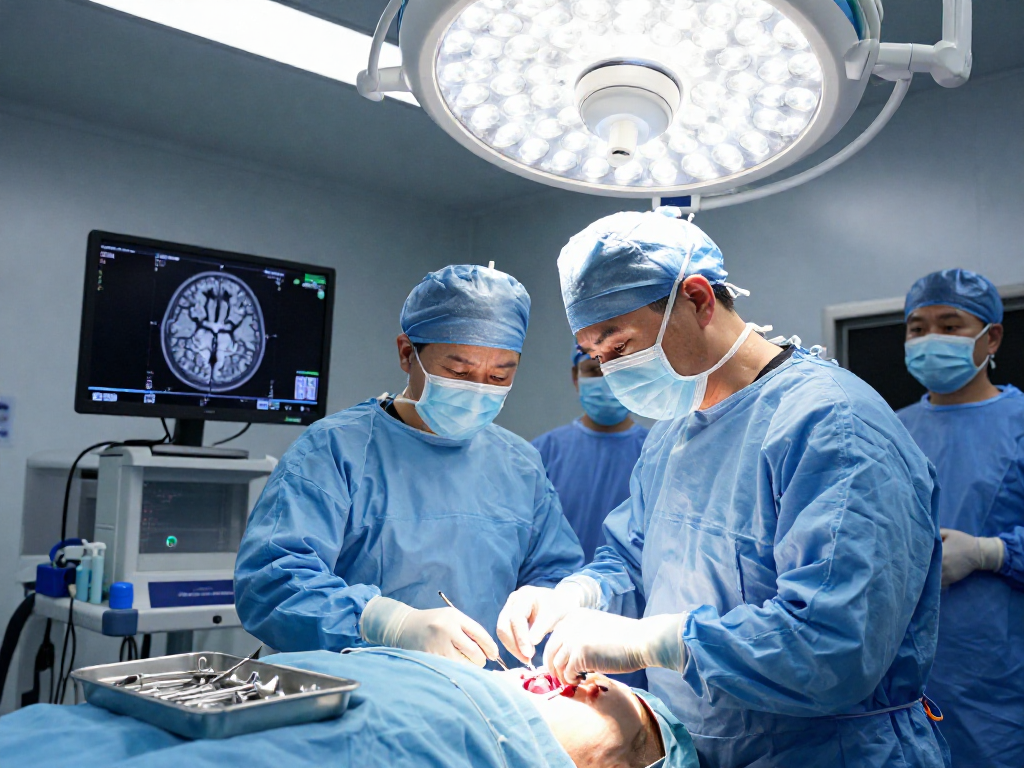
Understanding Brain Tumor Surgery
Brain tumor surgery is a critical medical procedure aimed at treating various types of tumors that can develop within the brain or surrounding tissues. This surgical intervention can significantly impact a patient's prognosis and quality of life. Understanding the intricacies of brain tumor surgery, including the types of tumors treated, surgical techniques employed, and post-operative care, is essential for patients, families, and caregivers. With advancements in medical technology and surgical techniques, brain tumor surgeries have become safer and more effective, offering hope to those diagnosed with this serious condition. When exploring options, beyin tümörü ameliyatı provides comprehensive insights into the critical aspects of treatment.
What is Brain Tumor Surgery?
Brain tumor surgery involves the removal of tumor tissue from the brain. It can be classified into several categories based on the nature and location of the tumor. The surgery can be curative, aiming to eliminate the tumor entirely, or palliative, focusing on alleviating symptoms and improving the quality of life for patients with advanced disease. The decision to proceed with surgery is based on several factors including the tumor type, size, location, and the overall health of the patient.
Types of Brain Tumors and Their Implications
Brain tumors are categorized into primary and secondary types. Primary tumors form in the brain and can include various subtypes such as gliomas, meningiomas, and pituitary tumors. Secondary tumors, or metastatic tumors, originate from cancer elsewhere in the body and spread to the brain. Each type has its implications for treatment and prognosis:
- Meningiomas: Typically benign and slow-growing, meningiomas arise from the protective layers of the brain. They often require surgical removal unless they pose no threat to neurological function.
- Gliomas: These are more aggressive tumors that can be high-grade (malignant) or low-grade (benign). Surgery aims to remove as much of the tumor as possible while preserving surrounding healthy tissue.
- Metastatic tumors: These require a tailored approach based on the primary cancer type and may involve surgery coupled with radiation or chemotherapy.
Importance of Early Diagnosis
Early detection of brain tumors can lead to better outcomes. Symptoms may vary widely but can include persistent headaches, seizures, changes in vision, and cognitive difficulties. Regular neurologic evaluations and imaging studies such as MRI or CT scans are vital for identifying tumors at an early stage.
Pre-Operative Considerations
Before undergoing brain tumor surgery, several pre-operative evaluations and preparations are essential to ensure the best possible outcomes. These include thorough medical evaluations, imaging techniques, and patient readiness.
Preparing for Brain Tumor Surgery
Patients should be prepared both physically and mentally for the surgery. Pre-operative assessments often include blood tests, imaging studies, and consultations with various specialists. This comprehensive evaluation helps in formulating an individualized surgical plan.
Medical Evaluations and Imaging Techniques
Advanced imaging techniques play a crucial role in planning brain tumor surgery. MRI scans can provide detailed images of the brain's structure, helping to identify the tumor's size, location, and relationship with surrounding brain tissues. Functional MRI and diffusion tensor imaging may also be utilized to identify critical brain areas responsible for functions such as speech and motor skills.
Patient Emotional and Physical Readiness
The emotional state and physical readiness of the patient are equally important. Support from family, friends, and counseling services can help alleviate anxiety and facilitate a smoother recovery process. Patients should also discuss any concerns with their surgical team to ensure a clear understanding of the procedure and recovery expectations.
The Surgical Procedure: What to Expect
The actual process of brain tumor surgery involves several critical steps, each designed to enhance the safety and efficacy of the procedure. The surgical team, including neurosurgeons, anesthesiologists, and nursing staff, works closely together to manage all aspects of the operation.
Steps Involved in Brain Tumor Surgery
- Anesthesia: General anesthesia is administered to ensure that the patient is completely unconscious and pain-free during the surgery.
- Positioning: The surgical team positions the patient carefully to optimize access to the brain while minimizing pressure on critical areas.
- Craniotomy: An opening is made in the skull, allowing access to the brain. The size and location depend on the tumor's position.
- Tumor Removal: Using advanced techniques, the surgeon carefully removes the tumor, preserving as much surrounding healthy tissue as possible.
- Closure: After the tumor is removed, the surgeon closes the craniotomy site, often using biocompatible materials or sutures.
Understanding Different Surgical Techniques
There are various techniques used in brain tumor surgery, including:
- Traditional Craniotomy: The most common method, where a section of the skull is temporarily removed.
- Molecular Techniques: Utilizing advanced tools for precise targeting of tumor cells, which may improve surgical outcomes.
Uyanık Beyin Tümörü Ameliyatı (Awake Brain Surgery)
Awake brain surgery is a specialized technique used for tumors located near critical functional areas. By keeping the patient awake during parts of the surgery, the surgical team can monitor brain functions in real-time, allowing for the safe removal of tumors while preserving speech and motor abilities.
Post-Surgery Care and Recovery
The post-operative phase is crucial for recovery and can vary significantly based on the individual patient and the complexity of the surgery.
Initial Recovery Phase in the Hospital
After surgery, patients are typically monitored in a recovery room before being transferred to a hospital room. Initial recovery can involve managing pain and monitoring for complications such as infection or neurological deficits.
Signs of Complications and When to Seek Help
Patients and caregivers should be vigilant about signs of potential complications, which may include:
- Persistent headaches not relieved by medication.
- Vision changes or difficulty speaking.
- Seizures or unusual neurological symptoms.
In such cases, immediate medical consultation is crucial.
Long-term Follow-up and Rehabilitation
Post-surgery, regular follow-up appointments are vital to monitor recovery and detect any signs of tumor recurrence. Rehabilitation may include physical therapy, occupational therapy, and psychological support to help patients adjust and regain their pre-surgery quality of life.
Costs and Financial Aspects
Understanding the financial implications of brain tumor surgery is essential for patients and their families. Costs can vary widely based on the complexity of the surgery, the healthcare facility, and additional treatments required.
Understanding the Costs of Brain Tumor Surgery
Costs associated with brain tumor surgery can include hospital fees, surgeon’s fees, anesthesia costs, and post-operative care. Patients should ask for an itemized list of expected expenses from their healthcare provider.
Insurance Considerations and Coverage
Insurance coverage for brain tumor surgery can vary significantly between policies. Patients should consult their insurer to verify coverage details and identify any out-of-pocket expenses. Pre-authorization may be required for certain procedures.
Resources for Financial Assistance
For those facing financial hardships, various resources are available. Hospitals often have financial counselors who can help patients understand their options, negotiate payment plans, and connect them with local or national assistance programs.
What are the risks associated with brain tumor surgery?
As with any major surgery, brain tumor surgery carries risks including infection, bleeding, and complications from anesthesia. Specific neurological risks depend on the tumor's location and the extent of surgery performed.
How long does recovery from brain tumor surgery take?
Recovery timelines can vary based on individual health, the type of tumor, and the surgical approach. Most patients spend several days in the hospital and may take weeks to months to fully recover.
Are there any non-surgical alternatives for treating brain tumors?
Alternative treatments may include stereotactic radiosurgery, chemotherapy, and radiation therapy, often used in conjunction with or as alternatives to surgery, depending on the tumor type and patient circumstances.
What advancements are being made in brain tumor surgery?
Recent advancements include the use of robotic-assisted surgery, enhanced imaging techniques, and minimally invasive procedures that aim to reduce recovery times and improve surgical outcomes.
How can I find a qualified neurosurgeon for brain tumor surgery?
Finding a qualified neurosurgeon involves researching their credentials, experience, and patient reviews. For more information, beyin tümörü ameliyatı offers valuable insights. Consult with your primary care physician for recommendations and ensure that the surgeon has experience with the specific type of brain tumor involved.