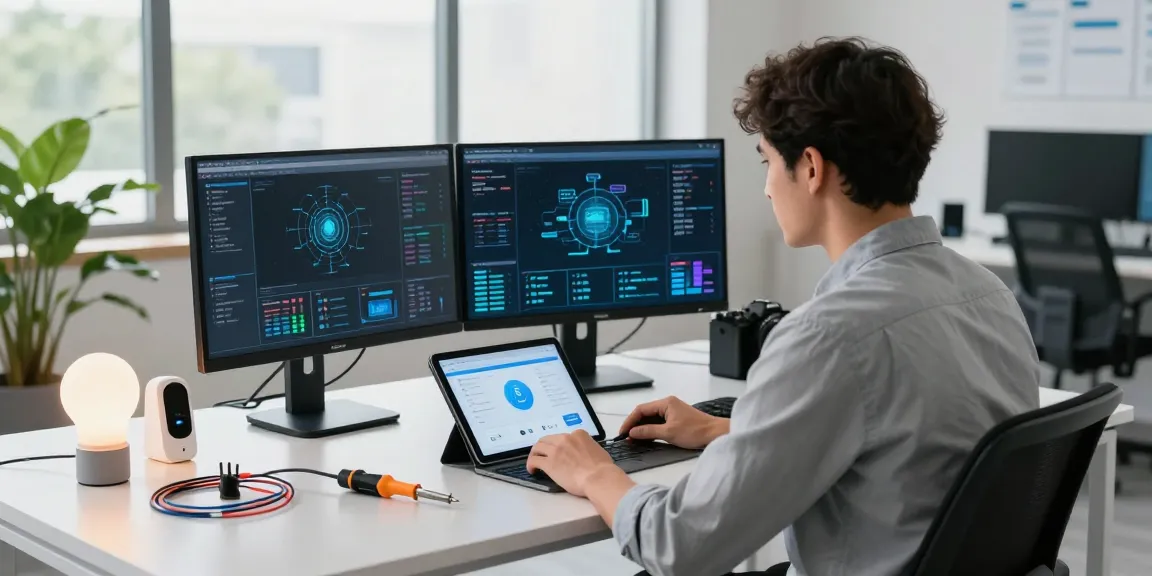
Understanding IoT: What are the Uses of IoT?
The Internet of Things (IoT) refers to the interconnected network of physical devices that communicate and exchange data over the internet. This technology is transforming our daily lives and industries alike, offering profound efficiencies and innovations. As we delve into what are the uses of IoT, it's essential to recognize its significance in enhancing operational effectiveness and improving user experiences across various domains.
Defining IoT and Its Significance
At its core, IoT connects devices such as sensors, appliances, and vehicles to the internet, facilitating real-time data exchange. This communication ability allows businesses and consumers to gather and analyze information like never before, leading to data-driven decision-making and optimization of resources. The significance of IoT lies in its potential to create smart environments that enhance productivity, safety, and sustainability.
Key Components of IoT Systems
- Devices and Sensors: These are the physical "things" equipped with sensors that collect data.
- Connectivity: It refers to the various communication protocols that allow devices to connect to the internet.
- Data Processing: This involves analyzing the data collected to extract meaningful insights.
- User Interface: This is how users interact with the IoT systems, often through applications or dashboards.
High-Level Applications of IoT
IoT applications span a wide range of sectors, from healthcare to transportation and beyond, showcasing the technology's versatility and adaptability. Key high-level applications include:
- Smart cities that utilize IoT for traffic management and energy efficiency.
- Wearable health monitors that track patient vitals in real-time.
- Supply chain management systems that improve logistics through real-time tracking.
Revolutionizing Industries Through IoT
Healthcare Innovations: Smart Monitoring and Beyond
In healthcare, IoT is revolutionizing how services are delivered. Smart monitoring devices allow for continuous health tracking, which can alert healthcare providers about potential issues before they become critical. Innovations such as remote patient monitoring and telemedicine have made healthcare more accessible and efficient.
Transforming Agriculture with IoT Solutions
Agriculture is experiencing a significant transformation through IoT technologies. Precision farming techniques, supported by sensors and drones, enable farmers to monitor crop health, soil conditions, and weather patterns. This data-driven approach leads to increased yields, reduced waste, and sustainable practices.
Enhancing Efficiency in Manufacturing Processes
IoT is also making waves in manufacturing through concepts like smart factories. These facilities utilize connected devices to streamline production processes, predict maintenance needs, and reduce downtime. This optimization fosters greater productivity and cost savings, making manufacturing more competitive in a global market.
Integrating IoT into Smart Homes
Key Features of Smart Home Technology
Smart home technology integrates IoT devices into residential settings, creating seamless environments that enhance convenience and security. Features such as smart thermostats, automated lighting, and intelligent security systems allow homeowners to manage their homes from anywhere using mobile apps.
Security and Surveillance Solutions via IoT
The rise of IoT has led to advanced security solutions, including smart cameras and motion sensors. These devices provide real-time alerts to homeowners about suspicious activities, creating a safer living environment. Integration with personal devices ensures that users can monitor their properties remotely.
Energy Management and Sustainability Benefits
Energy management systems powered by IoT help households monitor and regulate energy consumption. By utilizing smart meters and connected appliances, homeowners can reduce energy waste, contributing to environmental sustainability while lowering utility bills.
Challenges and Misconceptions About IoT
Common Obstacles to IoT Implementation
Despite its benefits, IoT deployment faces several challenges. High implementation costs, lack of standardization, and integration complexities are prominent barriers that organizations encounter. Additionally, the need for substantial infrastructure improvements can be a daunting task for many.
Debunking Myths: IoT vs. Traditional Systems
There are common misconceptions that IoT is merely a fad or that it cannot significantly outpace traditional systems. However, IoT provides unparalleled data insights, predictive analytics, and automation that traditional systems often struggle to match. Understanding these distinctions is vital for organizations contemplating their digital transformation journeys.
Addressing Privacy and Data Security Concerns
As IoT devices proliferate, so do concerns about data privacy and security. Organizations must prioritize robust security measures, including encryption, regular updates, and network segmentation, to protect sensitive information and maintain consumer trust.
Future Trends and Predictions for IoT in 2026
Emerging Technologies Shaping IoT
Several emerging technologies are poised to shape the future of IoT. Artificial intelligence and machine learning will enhance data analytics capabilities, allowing for more sophisticated real-time decision-making. Edge computing will reduce latency by processing data closer to the source, further optimizing IoT systems.
Market Growth and Adoption Rates
The IoT market is expected to witness robust growth through 2026. Increased investments and innovations in connectivity solutions, such as 5G networks, will drive adoption rates across various industries, making IoT a cornerstone of modern technology infrastructures.
Innovative Use Cases on the Horizon
As IoT technology continues to evolve, new use cases are emerging. From smart waste management systems that optimize collection routes to connected vehicles that enhance transportation safety, the potential applications are virtually limitless, paving the way for a more integrated future.
What are the applications of IoT in everyday life?
IoT's applications in everyday life are becoming increasingly prevalent. Smart appliances, wearable technology, and home automation systems exemplify how IoT integrates into our routines, enhancing convenience and efficiency.
How can businesses leverage IoT for growth?
Businesses can leverage IoT for growth by optimizing operations, improving customer experiences, and gaining actionable insights through data analytics. Implementing IoT solutions can lead to increased efficiency and a competitive edge in the market.
What are the security measures needed for IoT devices?
To safeguard IoT devices, organizations should implement multi-layered security measures, such as strong authentication protocols, regular firmware updates, and comprehensive monitoring systems to detect and respond to potential threats.
What roles do data analytics play in IoT?
Data analytics is crucial in IoT as it allows organizations to derive actionable insights from the vast amounts of data generated by connected devices. It enables businesses to make informed decisions, optimize processes, and enhance customer experiences.
How can IoT improve environmental sustainability?
IoT can significantly improve environmental sustainability by enabling smarter resource management. Through real-time monitoring and control systems, industries can minimize waste, reduce energy consumption, and promote eco-friendly practices.