Understanding Gold Prices in Bahrain
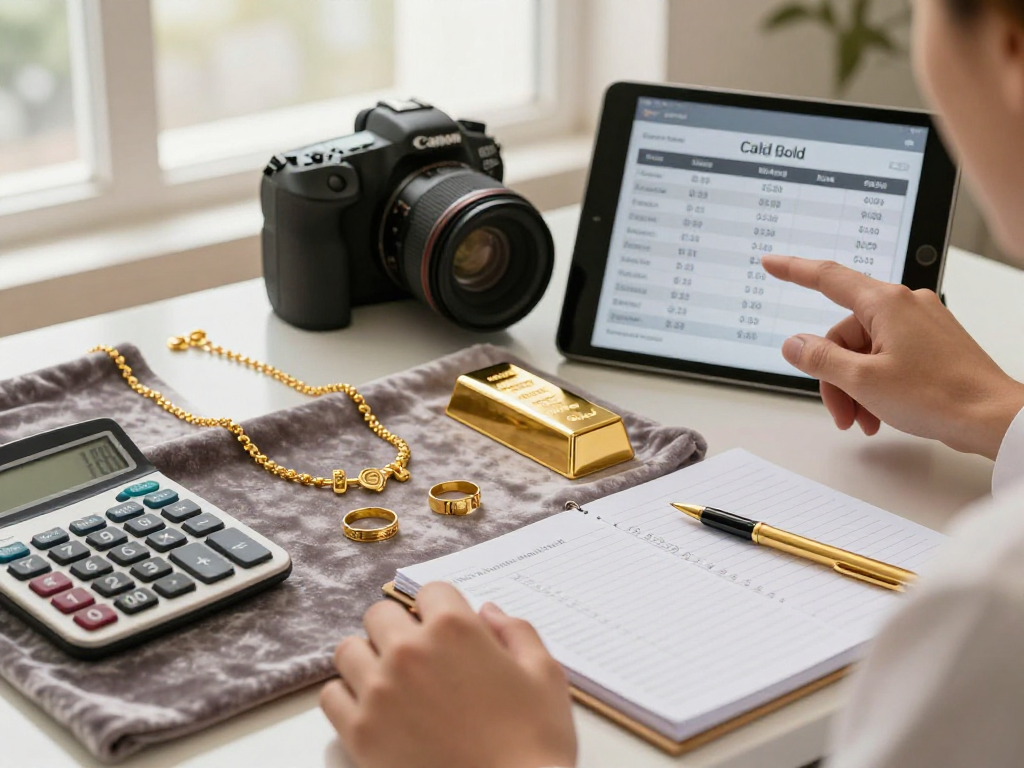
The gold market in Bahrain is dynamic and multifaceted, influenced by a variety of factors from global markets to local demand. Understanding how these factors interact can help both seasoned investors and first-time buyers navigate the complexities of gold trading. Whether you are looking to buy gold bars, invest in jewelry, or explore buyback options, a strong grasp of the prevailing gold prices is essential. For accurate and current pricing, refer to https://bahraingoldprices.com/, where you can find up-to-date information and comprehensive market insights.
What Determines Gold Price Fluctuations?
Gold prices fluctuate due to various interrelated factors, including supply and demand dynamics, investor sentiment, and macroeconomic indicators. The primary drivers include:
- Global Economic Health: A robust economy usually sees falling gold prices as investors turn to riskier assets. Conversely, economic uncertainty tends to increase gold’s appeal as a safe haven.
- Inflation Rates: Higher inflation erodes purchasing power, often leading to increased demand for gold as a hedge against inflation.
- Central Bank Policies: Actions taken by central banks, including interest rate changes and gold reserves management, can significantly impact gold prices.
- Geopolitical Tensions: Conflicts and political instability often drive investors towards gold, increasing demand and prices.
Impact of Global Markets on Local Gold Rates
Local gold prices in Bahrain are heavily influenced by global market trends. As gold is traded internationally, local prices often mirror the fluctuations noted in major markets like New York and London. Additionally, currency exchange rates, particularly the USD/BHD pairing, play a crucial role in determining the local cost of gold. A stronger U.S. dollar typically leads to lower gold prices in local currencies and vice versa.
How Currency Exchange Affects Gold Value
The relationship between currency valuation and gold pricing cannot be understated. For Bahrain's economy, where the Bahraini Dinar is pegged to the U.S. dollar, fluctuations in the dollar's value can directly affect gold prices. Understanding these dynamics is crucial for investors looking to make informed buying or selling decisions.
The Process of Buying and Selling Gold
Engaging in the gold market involves a clear understanding of the buying and selling processes. Buyers must follow specific steps to ensure that transactions are safe and beneficial.
Step-by-Step Guide to Buying Gold in Bahrain
- Research and Compare: Before making a decision, it is essential to research current gold pricing and available products, whether bars, coins, or jewelry.
- Verify Authenticity: Ensure that the seller provides certification for the gold’s purity and quality.
- Negotiate Terms: Discuss terms of sale, including the price and any applicable fees.
- Secure Payment: Use trusted payment methods and retain all transaction records.
How to Sell Gold: Best Practices
When selling gold, it’s vital to understand the market value and choose the right time to sell. Here are best practices to ensure a profitable transaction:
- Get Multiple Appraisals: Consult different dealers and get appraisals to understand the market value better.
- Know the Gold's Value: Be aware of the current gold prices and the weight and purity of your items.
- Secure a Safe Transaction: Choose reputable dealers for your transactions and ensure safe payment methods.
Understanding Gold Buyback Processes
Buyback options are popular among gold sellers looking to liquidate their assets quickly. Many jewelry stores and dealers offer buyback services where the seller can return gold items in exchange for cash. It’s important to understand the terms and conditions of these buyback processes, as they can vary significantly between dealers.
Evaluating Gold Quality and Purity
Evaluating the quality and purity of gold is crucial for buyers and sellers alike. Understanding this can help you make informed decisions about your transactions.
How to Read Gold Hallmarks
Gold hallmarks are essential indicators of purity and origin. They include specific symbols that denote the gold’s karat quality and the manufacturer. Familiarizing yourself with these marks can prevent fraud and ensure you are purchasing genuine products.
The Difference Between 24K, 22K, 21K, and 18K Gold
The purity of gold is measured in karats (K). Here’s a breakdown:
- 24K: Pure gold, ideal for investment but too soft for jewelry.
- 22K: Contains 91.6% gold, suitable for high-quality jewelry.
- 21K: Contains 87.5% gold, often used in jewelry with other metals.
- 18K: Contains 75% gold, popular for durable jewelry, combining beauty and strength.
Tools for Verifying Gold Quality
Buyers should utilize various tools to verify the quality of gold, including:
- Acid Test Kits: Measure the purity of gold.
- Electronic Gold Testers: Provide quick and accurate readings of gold content.
- Scale: Weighs gold items accurately to ensure correct valuation.
Current Trends and Future Predictions for Gold
Staying informed about gold market trends is essential for investors. Current economic conditions and predictions for future gold prices can guide investment strategies.
Analyzing Future Gold Price Trends in 2026
As we move towards 2026, analysts predict that gold prices may continue to rise due to factors like increasing inflation rates and global economic instability. Investors should monitor these trends closely and consider market signals when making investment decisions.
Risk Factors Influencing Gold Investment
Several risk factors can impact gold investments, including:
- Economic Stability: Economic downturns can influence gold investment returns.
- Regulatory Changes: New laws or policies regarding gold trading can affect market dynamics.
- Market Volatility: Sudden price swings can expose investors to potential losses.
Expert Insights on Gold Investment Strategies
Experts recommend diversifying investments and staying informed about economic indicators. Utilizing analytical tools and collaborating with financial advisors can also enhance investment strategies in gold.
Frequently Asked Questions About Gold Transactions
What are the fees associated with gold transactions?
Transaction fees can vary significantly based on the dealer and the specific services they provide. Always inquire about fees before finalizing any transaction.
How often does gold pricing change?
Gold prices can change multiple times a day based on market activity, so it's advisable to check prices regularly, especially when planning to buy or sell.
Can I negotiate gold prices with sellers?
Negotiation is often possible, particularly in local markets. However, the room for negotiation may depend on the dealer and market conditions.
What documentation is needed to buy or sell gold?
Generally, valid identification is needed to purchase gold, while selling may require proof of ownership, such as receipts or certificates.
Are gold transactions safe in Bahrain?
Gold transactions can be safe in Bahrain if conducted through reputable dealers. Always conduct thorough research to ensure the legitimacy of the seller.