
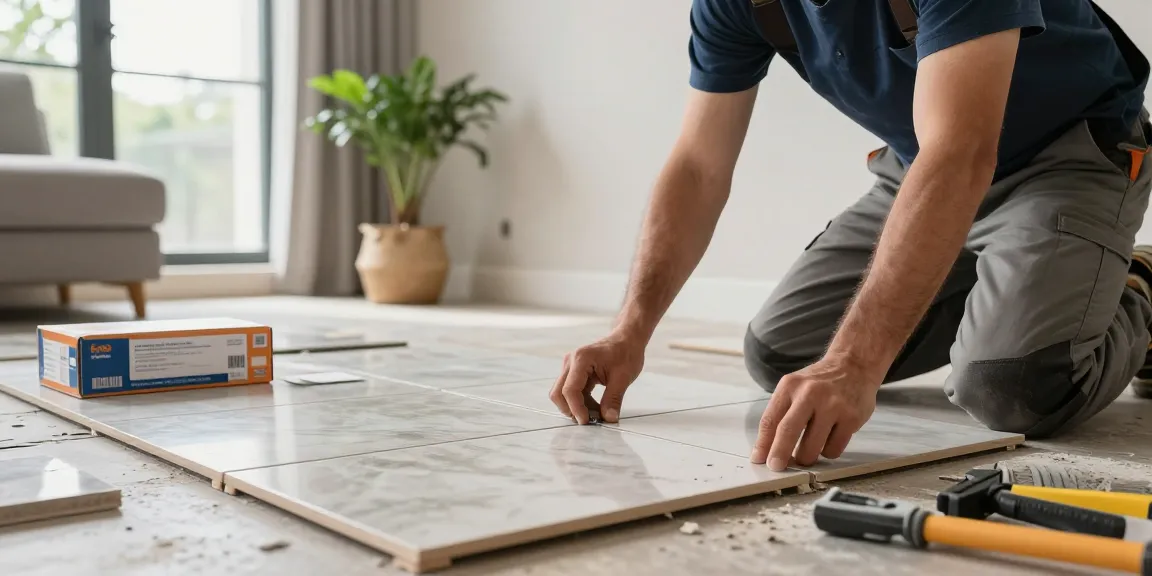
Understanding Interlock Tiles: Benefits and Types
When it comes to flooring options, Interlock tiles have gained significant popularity due to their versatility and ease of installation. These innovative tiles are designed to interlock seamlessly, creating a smooth and durable surface that is suitable for a variety of spaces. Whether you are renovating your home or looking to upgrade your commercial flooring, interlock tiles offer a range of benefits that can cater to your specific needs.
What Are Interlock Tiles?
Interlock tiles are modular flooring pieces that fit together like puzzle pieces without the need for adhesive. They are designed for both indoor and outdoor applications and are available in various materials, including vinyl, rubber, and wood. This feature allows homeowners and business owners alike to enjoy a highly customizable flooring solution that can adapt to different environments and styles.
Types of Interlock Tiles Available
- Vinyl Interlock Tiles: Lightweight and available in a variety of colors and patterns, these tiles are perfect for residential areas and lightweight commercial settings.
- Rubber Interlock Tiles: Offering superior durability and shock absorption, rubber tiles are ideal for high-traffic areas, gyms, and outdoor patios.
- Wood-Look Interlock Tiles: These tiles mimic the aesthetic of hardwood floors while providing the practicality of interlocking tiles, suitable for modern living spaces.
- Outdoor Interlock Tiles: Made from weather-resistant materials, these tiles are designed for patios, decks, and other outdoor spaces, offering slip resistance and easy drainage.
Benefits of Choosing Interlock Tiles for Your Home
Choosing interlock tiles for your flooring project comes with numerous benefits:
- Easy Installation: The interlocking design simplifies the installation process, eliminating the need for glue or nails.
- Durability: High-quality interlock tiles are designed to withstand heavy foot traffic, making them a long-lasting option for any area.
- Customization: With a vast selection of designs and colors, you can create a unique look that complements your home’s decor.
- Low Maintenance: These tiles are easy to clean and maintain, requiring only regular sweeping and occasional mopping.
- Cost-Effective: While initial costs may vary, the durability and low maintenance needs of interlock tiles can lead to savings over time.
Planning Your Project: Key Considerations for Installation
Before diving into your flooring project, proper planning is essential. Here are some key considerations to keep in mind when installing interlock tiles:
Assessing Your Space for Interlock Tiles
Begin by evaluating the area where you intend to install interlock tiles. Take measurements and assess the condition of the current flooring. Ensure that the surface is clean, dry, and level, as any imperfections can affect the installation process and final appearance.
Choosing the Right Tile Design and Color
Selecting the right design and color is crucial for achieving the desired aesthetic. Consider the existing decor and color scheme of your home. Light colors can make a space feel larger, while dark hues add warmth and coziness. Don’t hesitate to mix and match styles for more vibrant interiors.
Finding a Professional Installer vs. DIY
While interlock tiles are designed for easy installation, many homeowners prefer to hire professionals for a flawless finish. Consider whether you have the necessary tools and skills for a DIY project, or if investing in a professional service is the better choice.
Installation Process: Step-by-Step Guide
Installing interlock tiles can be a straightforward process. Follow these steps for a successful installation:
Preparing Your Floor for Interlock Tiles
Start by cleaning the subfloor thoroughly. Remove any dust, dirt, or debris to create a solid foundation for your new tiles. If there are any irregularities, fill them in to ensure a level surface.
Tools and Materials Needed for Installation
Gather the necessary tools and materials before starting the installation. You will need:
- Measuring tape
- Utility knife
- Square
- Rubber mallet (for interlocking)
- Flooring adhesive (if required)
Common Mistakes to Avoid During Installation
To avoid common pitfalls, ensure that you:
- Start in the center of the room to maintain symmetry.
- Use spacers if tiles require a gap.
- Check for level as you go, to avoid uneven flooring.
Maintenance and Care: Keeping Your Interlock Tiles Looking Great
Proper maintenance is key to prolonging the life and appearance of your interlock tiles. Here are some useful tips:
Cleaning Techniques for Different Tile Materials
Regular cleaning will vary depending on the tile material. For vinyl and rubber tiles, simple sweeping and mopping with mild soap and water will suffice. Avoid harsh chemicals that might damage the surface.
Protecting Your Tiles from Damage
Place furniture pads under heavy items to prevent scratches and dents. Additionally, consider using rugs or mats in high-traffic areas to shield your tiles.
When to Refinish or Replace Your Interlock Tiles
Inspect your tiles regularly for signs of wear or damage. If tiles become discolored or damaged beyond repair, it may be time to consider replacement. Many interlock systems allow for individual tile replacement, which can be a cost-effective solution.
Future Trends in Flooring: What to Expect in 2026
As we look to the future, interlock tiles continue to evolve. Here are some trends to watch out for:
Emerging Designs and Materials for Interlock Tiles
Expect to see an increase in sustainable materials for flooring solutions. Eco-friendly options are becoming more popular, allowing homeowners to make environmentally conscious choices without sacrificing style.
Eco-Friendly Flooring Solutions and Innovations
Innovations in manufacturing processes are leading to more sustainable interlock tiles. Options made from recycled materials are on the rise, making it easier to maintain a green lifestyle.
Staying Ahead in Home Renovation Trends
Homeowners are increasingly prioritizing versatile and easy-to-install flooring options. As trends shift towards minimalist and multifunctional spaces, interlock tiles will continue to meet the demands of today’s market.
What are the advantages of interlock tiles?
Interlock tiles offer numerous advantages, including easy installation, durability, low maintenance, and high versatility. They can be customized to fit any aesthetic, making them an ideal choice for various settings.
How do I install interlock tiles myself?
To install interlock tiles, begin with a clean and level floor. Measure the area, plan your layout, and then begin interlocking the tiles together, ensuring a snug fit.
Are interlock tiles suitable for outdoor use?
Yes, many interlock tiles are designed specifically for outdoor use, featuring weather-resistant materials that can withstand various environmental conditions.
What maintenance do interlock tiles require?
Interlock tiles require regular cleaning and occasional checks for damage. Most simply need to be swept and mopped with mild cleaners.
How do interlock tiles compare to traditional flooring?
Interlock tiles are often more cost-effective, easier to install, and require less maintenance compared to traditional flooring options, making them a preferred choice for many homeowners.